Remove burrs from laser, plasma, waterjet or punch-cut sheet metal parts quickly, safely and consistently.
What is a burr and why remove it?
A burr is an unwanted ridge or sharp edge that forms on the edges of cut or machined metal parts. It usually forms along the cut line after laser, waterjet, punch or plasma cutting.
A burr is not just a cosmetic problem: it can cut the hands of workers handling the material, reduces surface adhesion before painting and coating so paint peels early, and prevents parts from fitting properly during assembly.
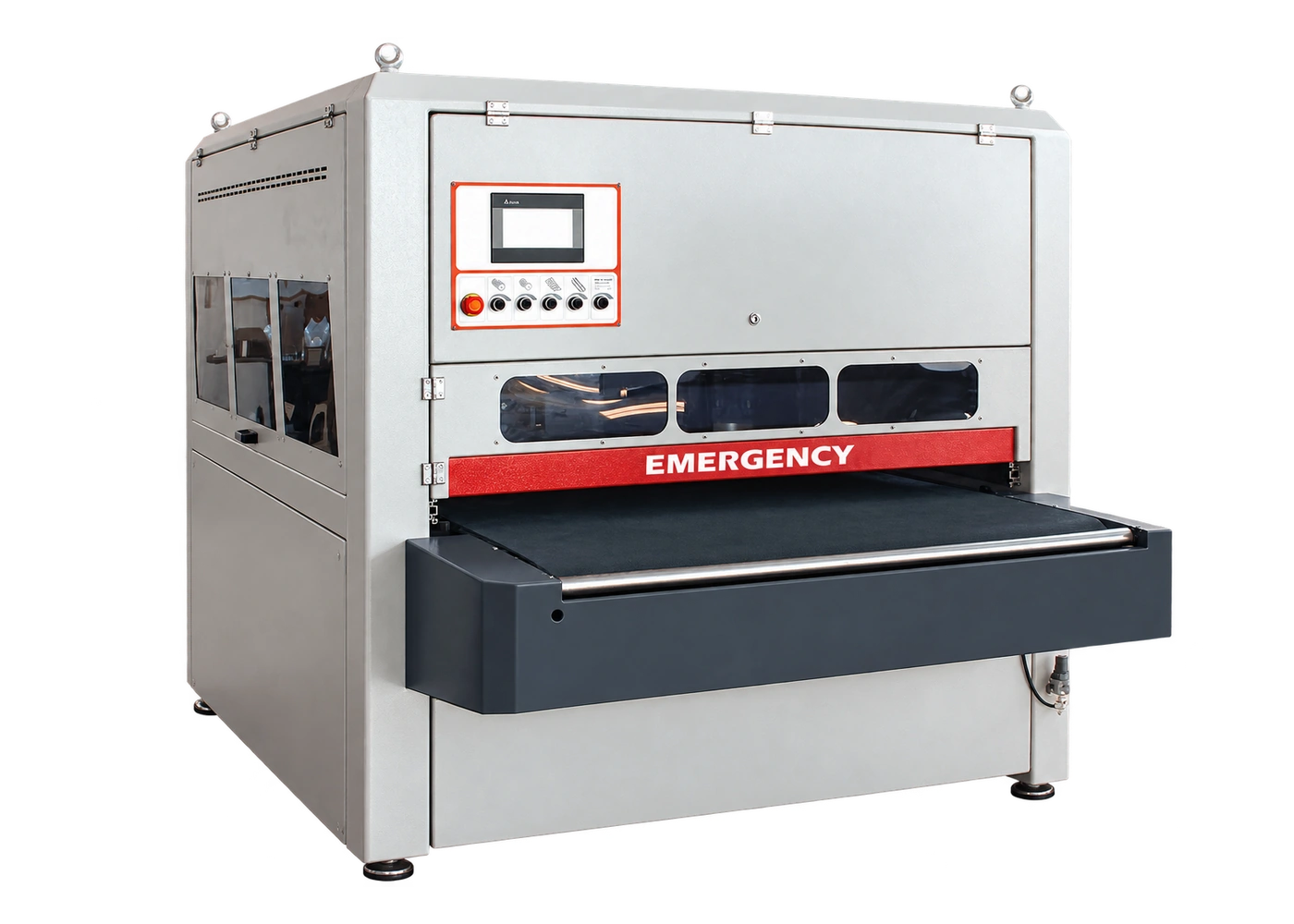
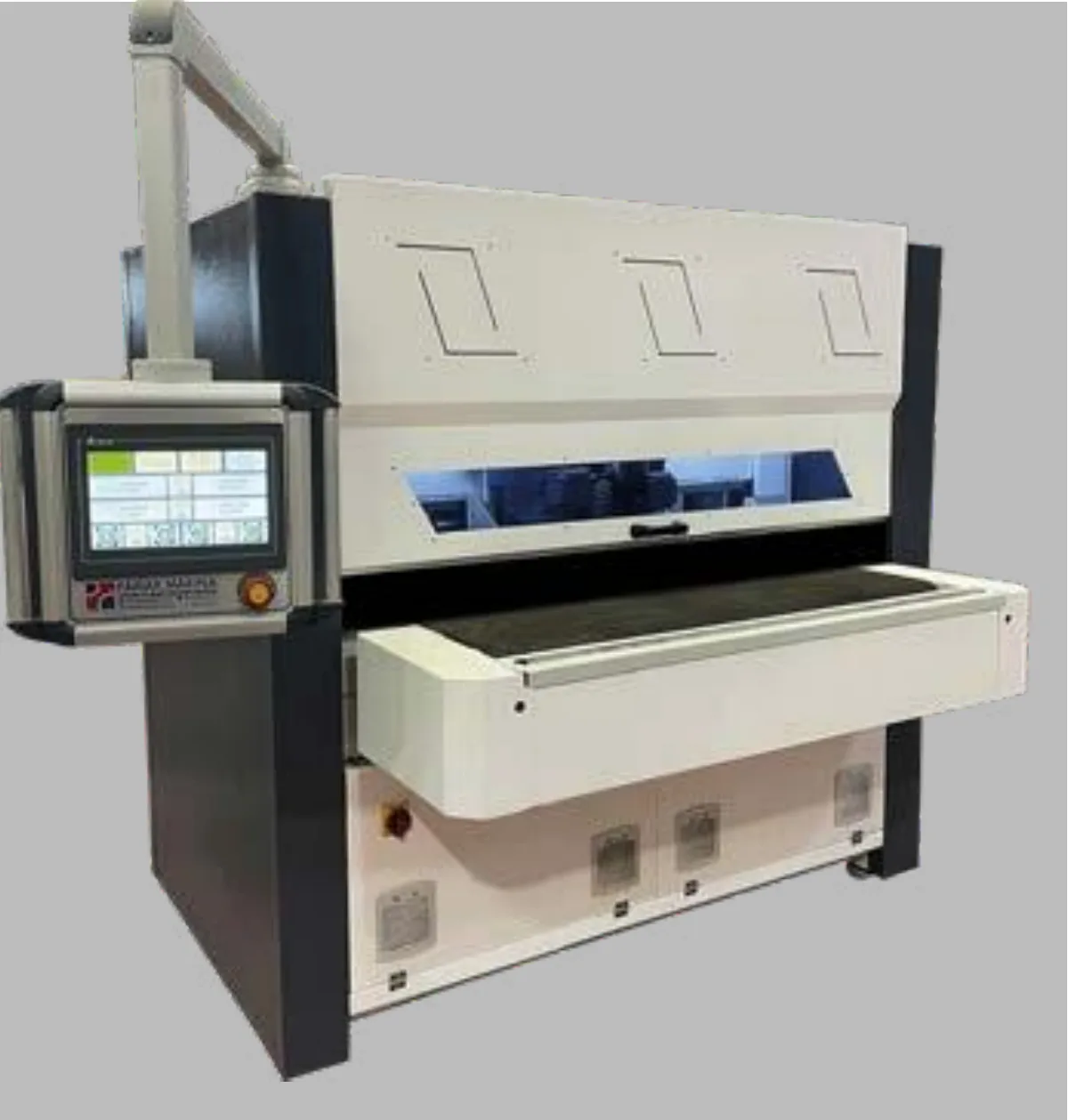
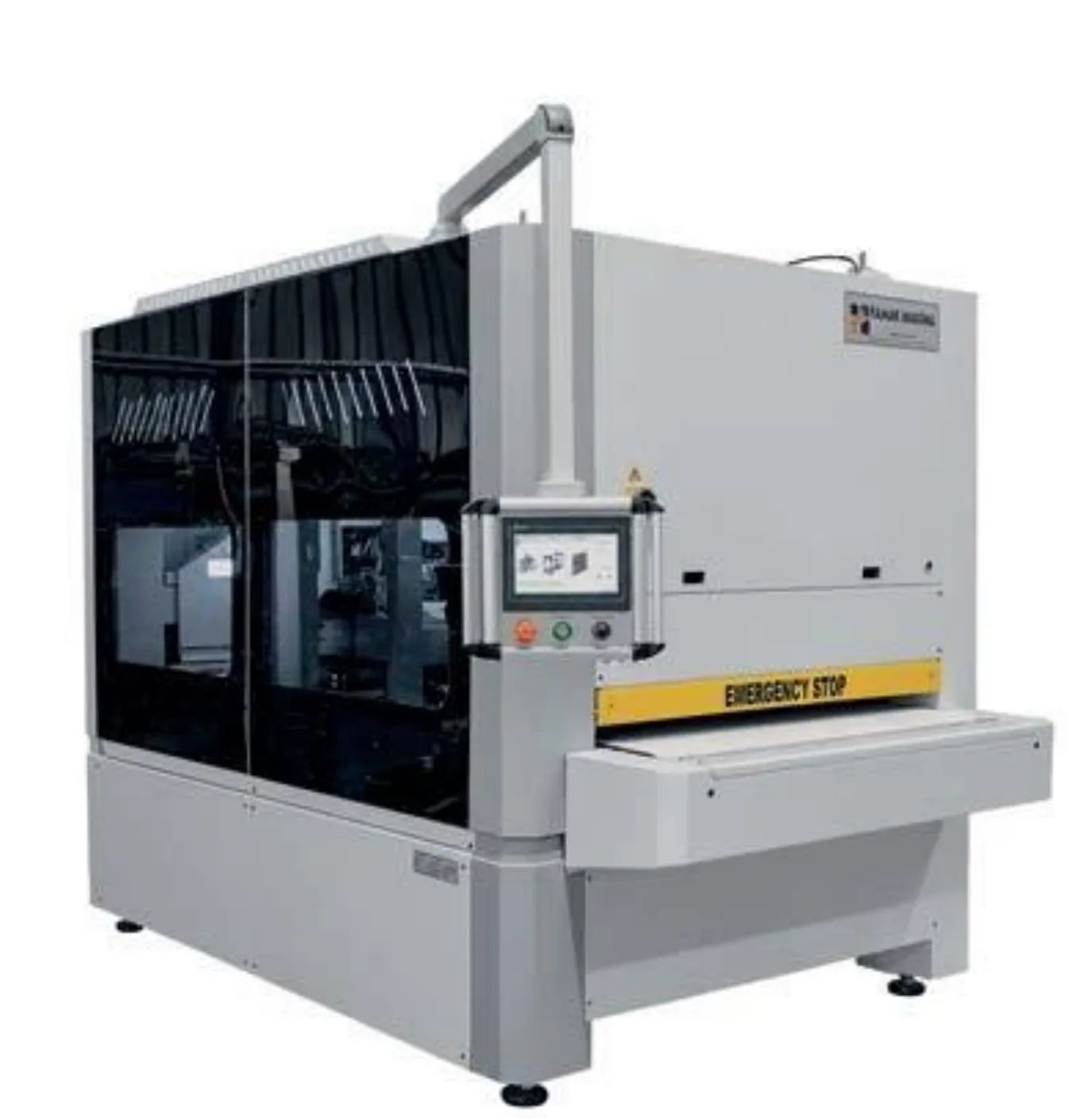
Famak deburring machines work mainly with abrasive belts. The grit is chosen for the metal: finer grits for soft alloys, coarser grits for steel. Deburring can be combined with edge rounding and surface finishing in the same machine.
Sheet metal parts after laser and plasma cutting
Series production with automatic conveyor feed
Single pass with edge rounding and satin finishing
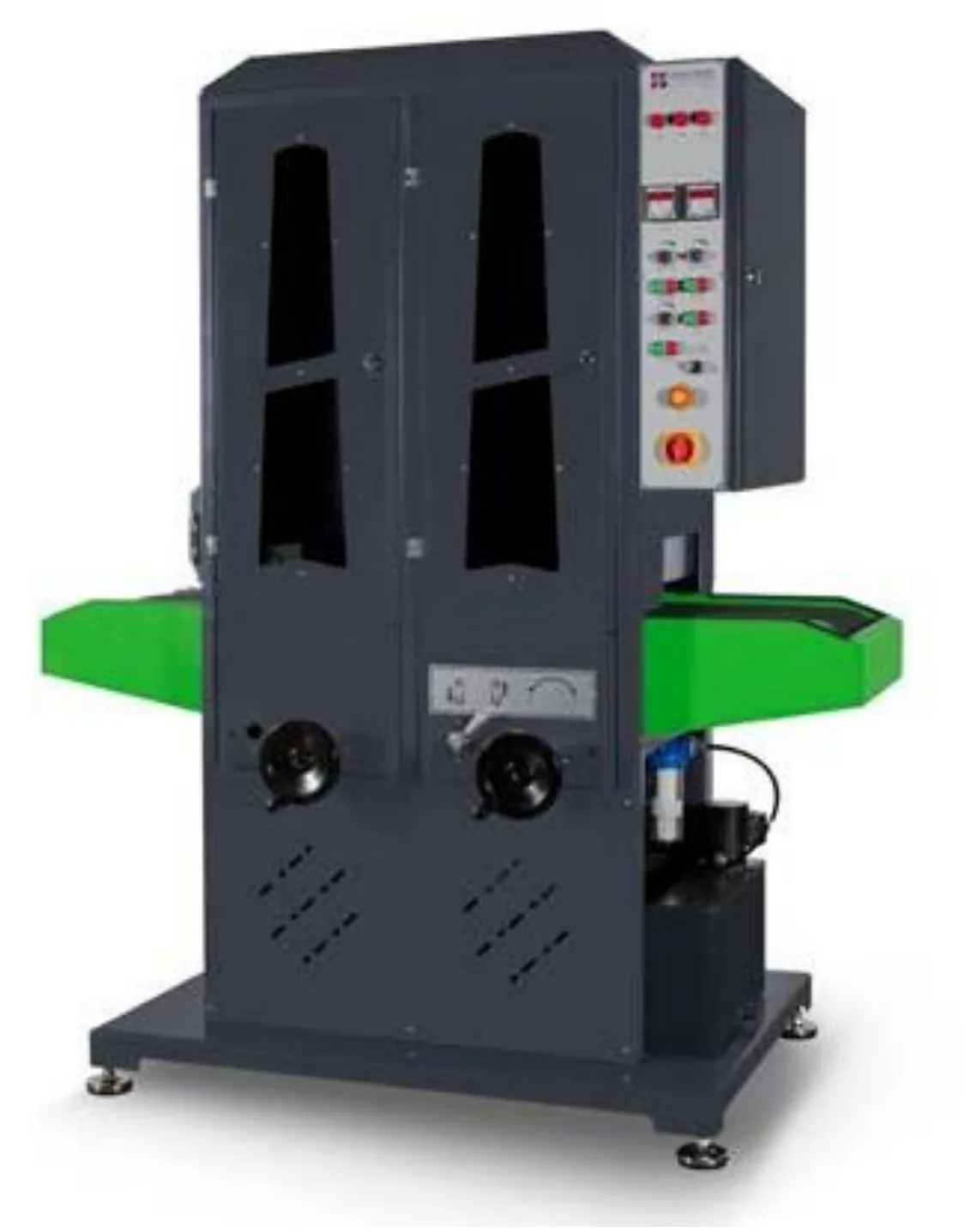
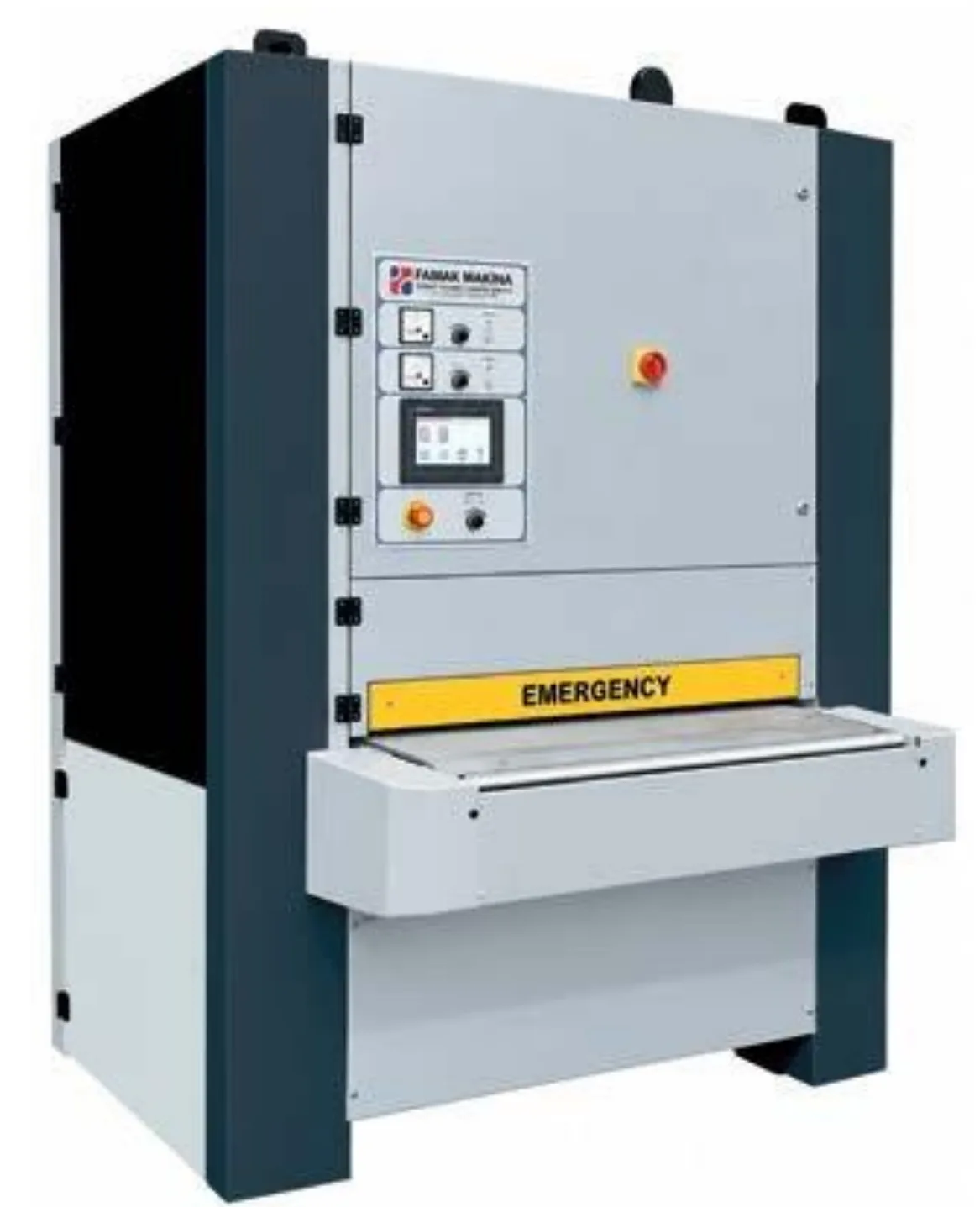
The part is fed into the machine on a conveyor belt; the sanding belt and/or brush-disc units abrade the burr from the cut edge. Thickness is set for the part, and unit speeds are adjusted by inverter.
Manual deburring that takes hours is reduced to minutes on a conveyor machine; surface quality becomes consistent regardless of the operator, and the risk of workplace injury drops.
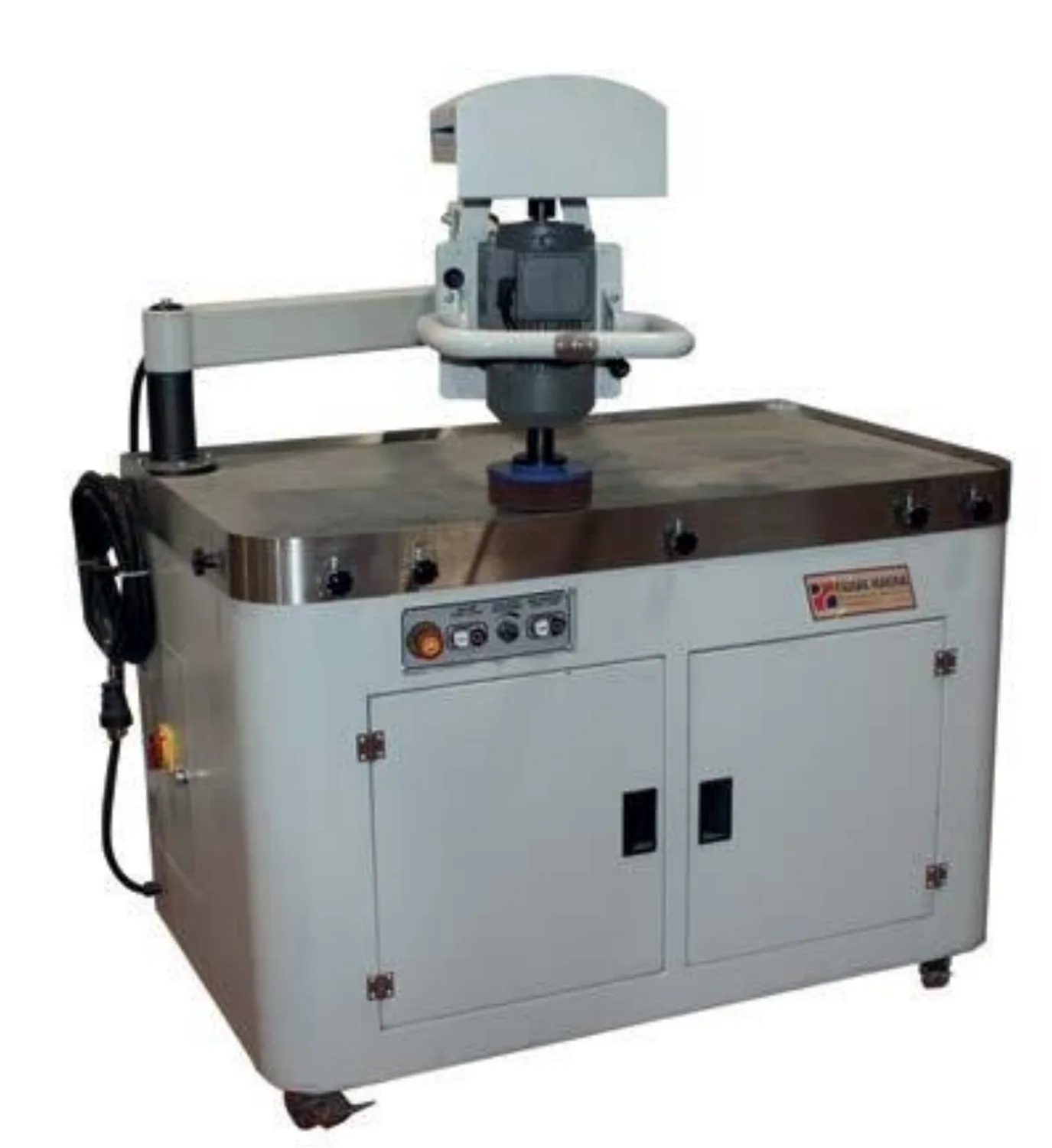
For small and medium parts, the 300 mm DYZ 300 R.D.; for wide sheets and series production, the 1350 mm 1350 4F or 1350 R.D.D.W. For low volumes, the table-type T-Grinder can be used.