Satin Finishing Stainless Steel: Which Sanding Machine Should You Use?
Surface finishing · June 2026
Satin Finishing Stainless Steel: Which Sanding Machine Should You Use?
Thanks to its appearance and corrosion resistance, stainless steel is used everywhere from kitchen equipment to architecture and medical devices. Achieving finishes such as satin, hairline or mirror, however, requires a professional sanding process.
Satin (brushed) finish
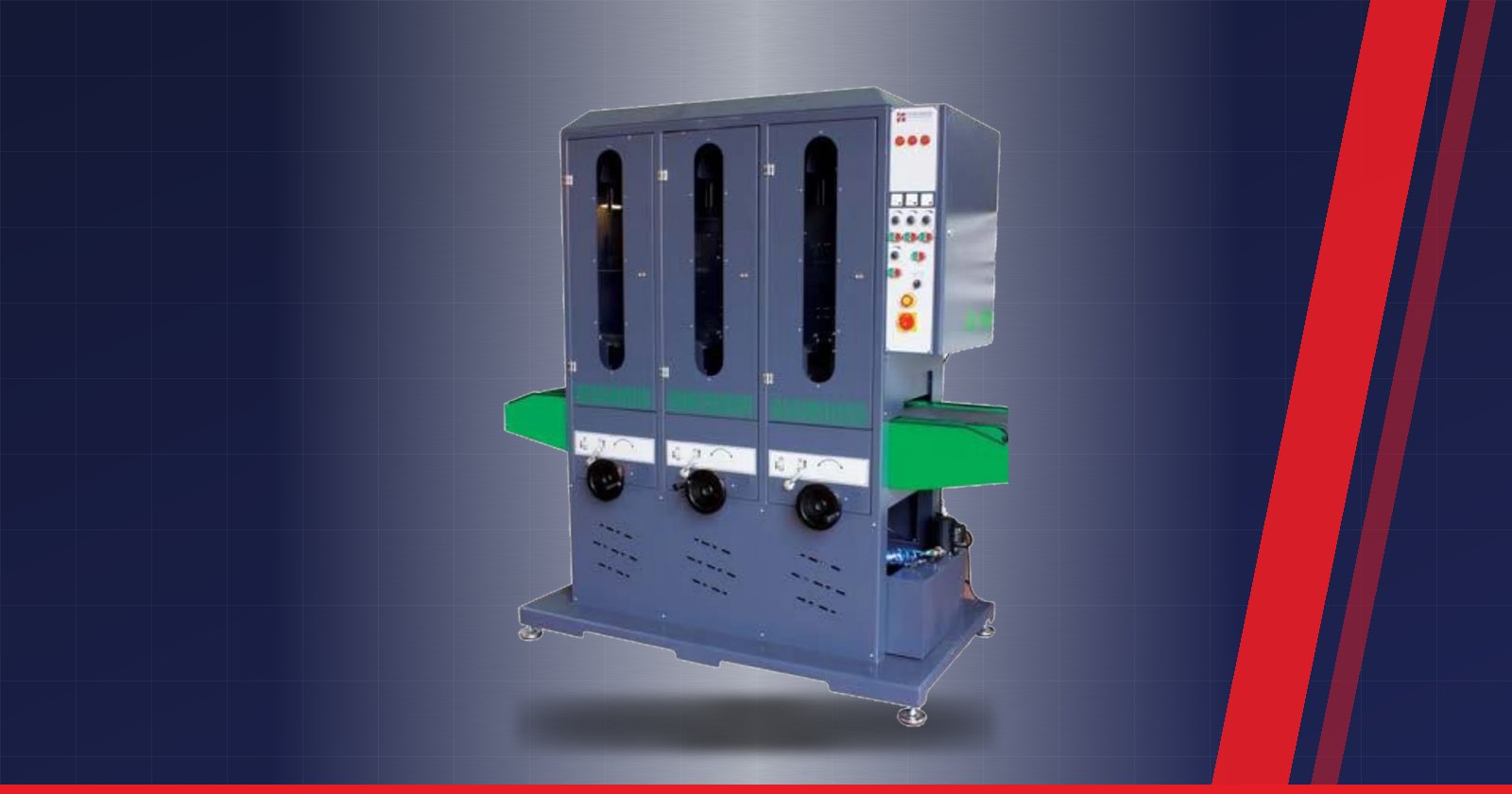
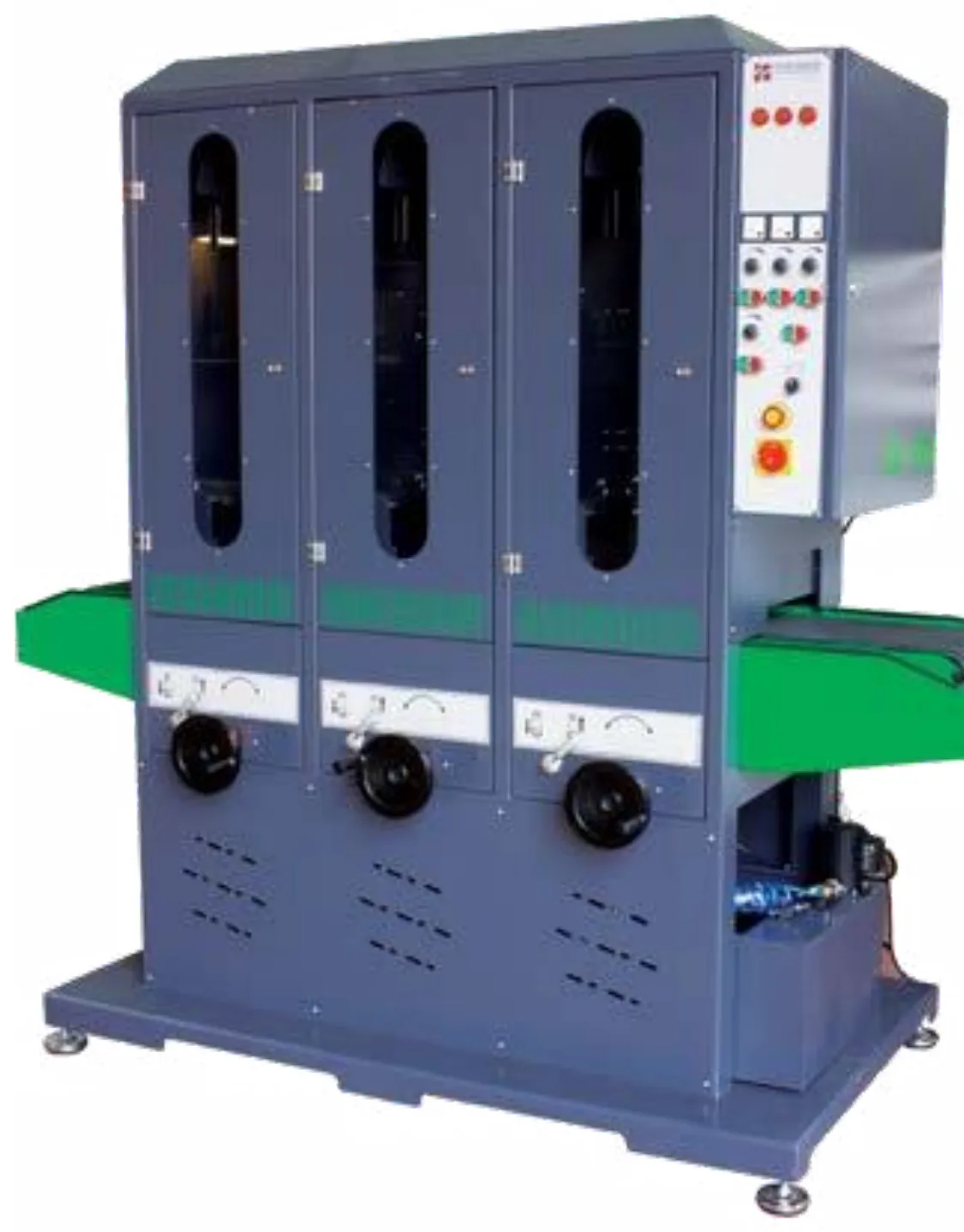
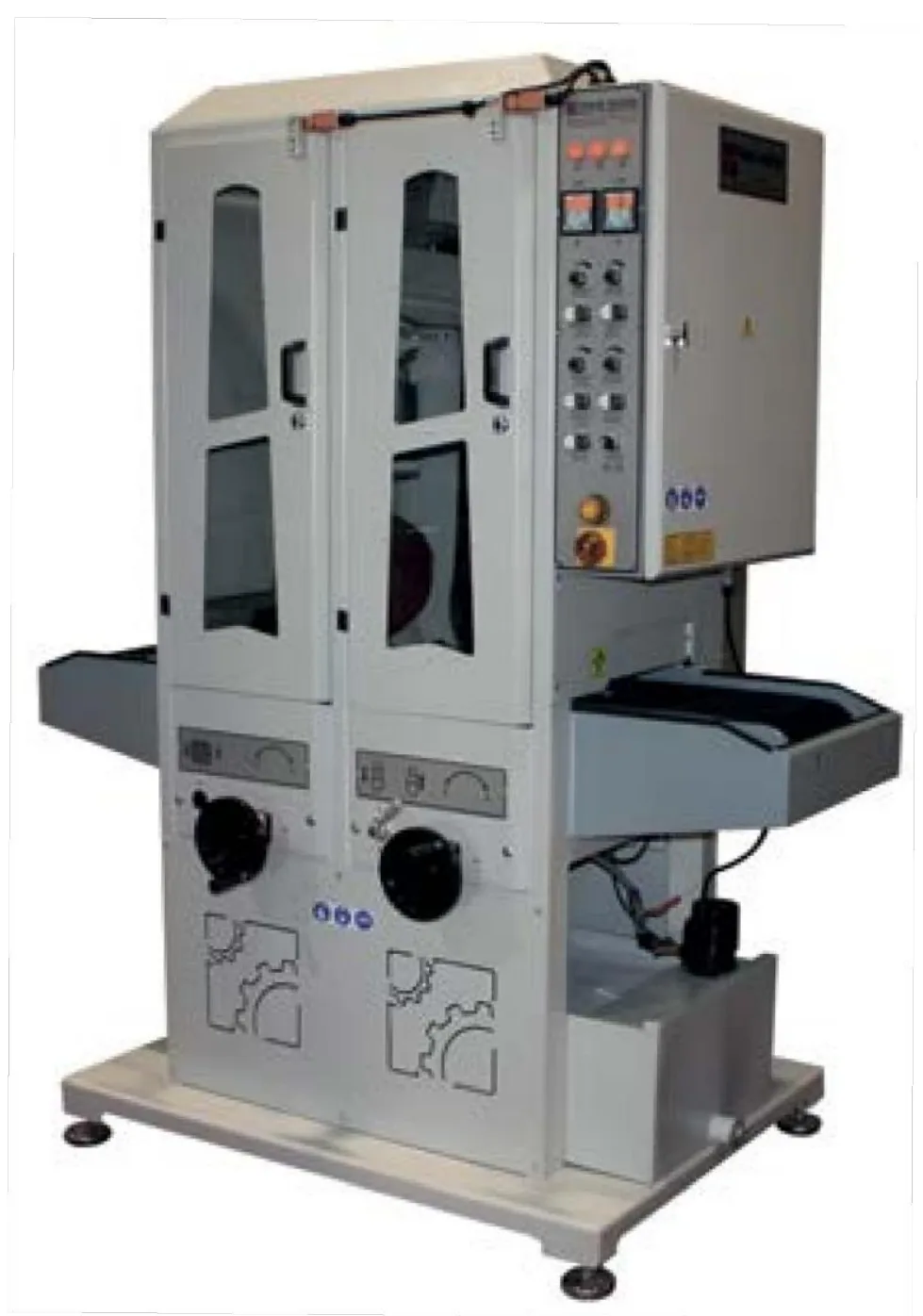
The most common texture on stainless steel. It gives the metal a uniform, unidirectional fine-line appearance and is usually produced with P180–P320 grit belts. For a smooth matt result, the Famak DYZ 300 series is a good fit.
Hairline (fine-line) finish
Hairline lines are much finer, longer and more elegant than satin. This finish is preferred for lift doors, architectural cladding and commercial kitchen worktops. It requires P400 grit or finer; following the belt unit with a brush unit gives the most consistent, flawless hairline result.
What to look for when choosing a machine
Inverter speed control: different speeds are needed to prevent stainless steel from burning and to achieve different textures such as satin and hairline.
Holding parts in place: thin, small sheets must stay fixed on the conveyor under sanding pressure; a vacuum conveyor table does this job.
Multiple stations: the first station removes coarse burrs and scratches, and the following stations complete the satin finish in a single pass, reducing time cost.
Which Famak machine?
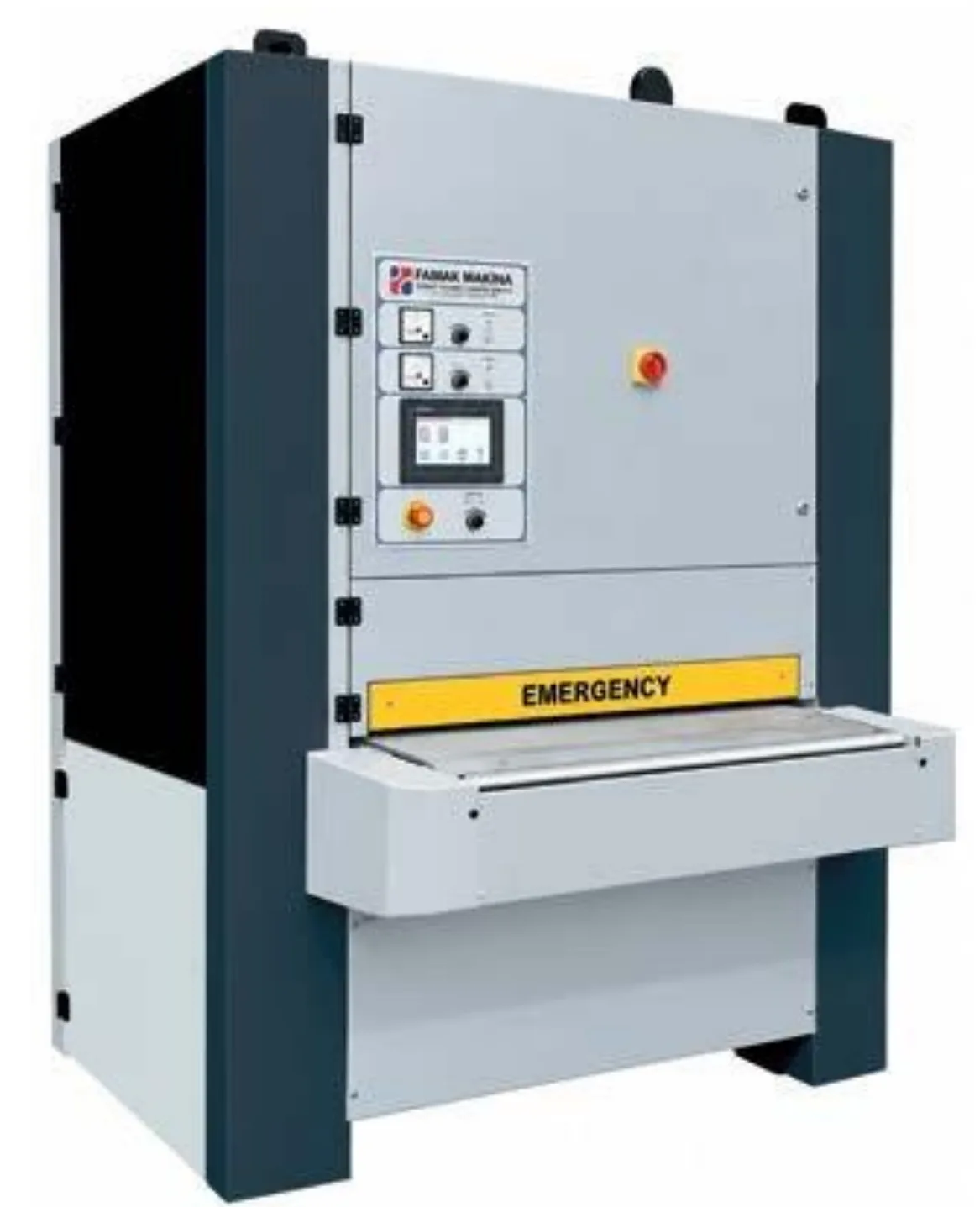
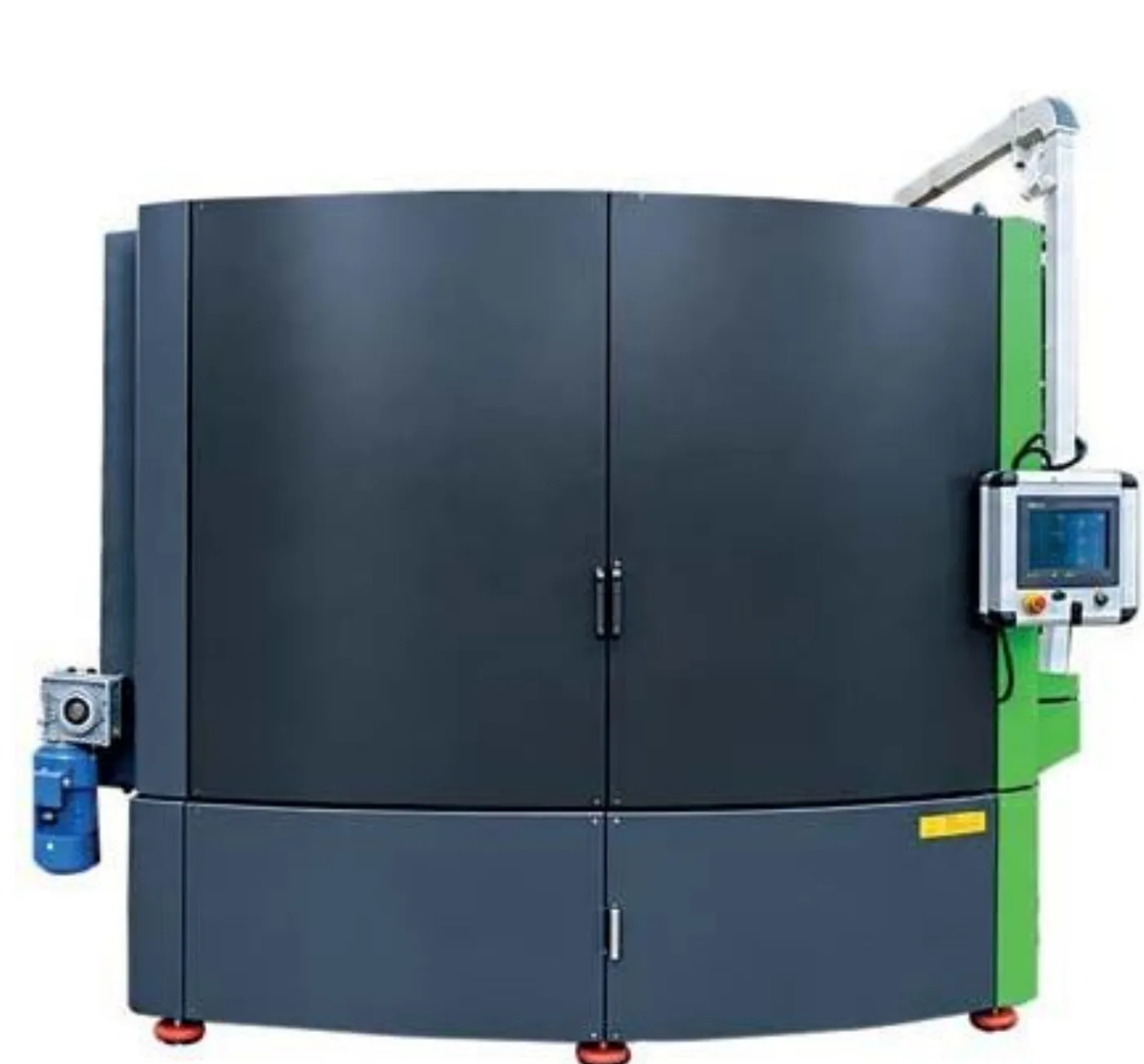
The DYZ 300 series with one, two or three sanding units suits satin finishing of small and medium parts; the two-drum RR series and the 1600 R.R.R.S. with three drums plus a Scotch-Brite unit suit satin finishing of wide sheets.