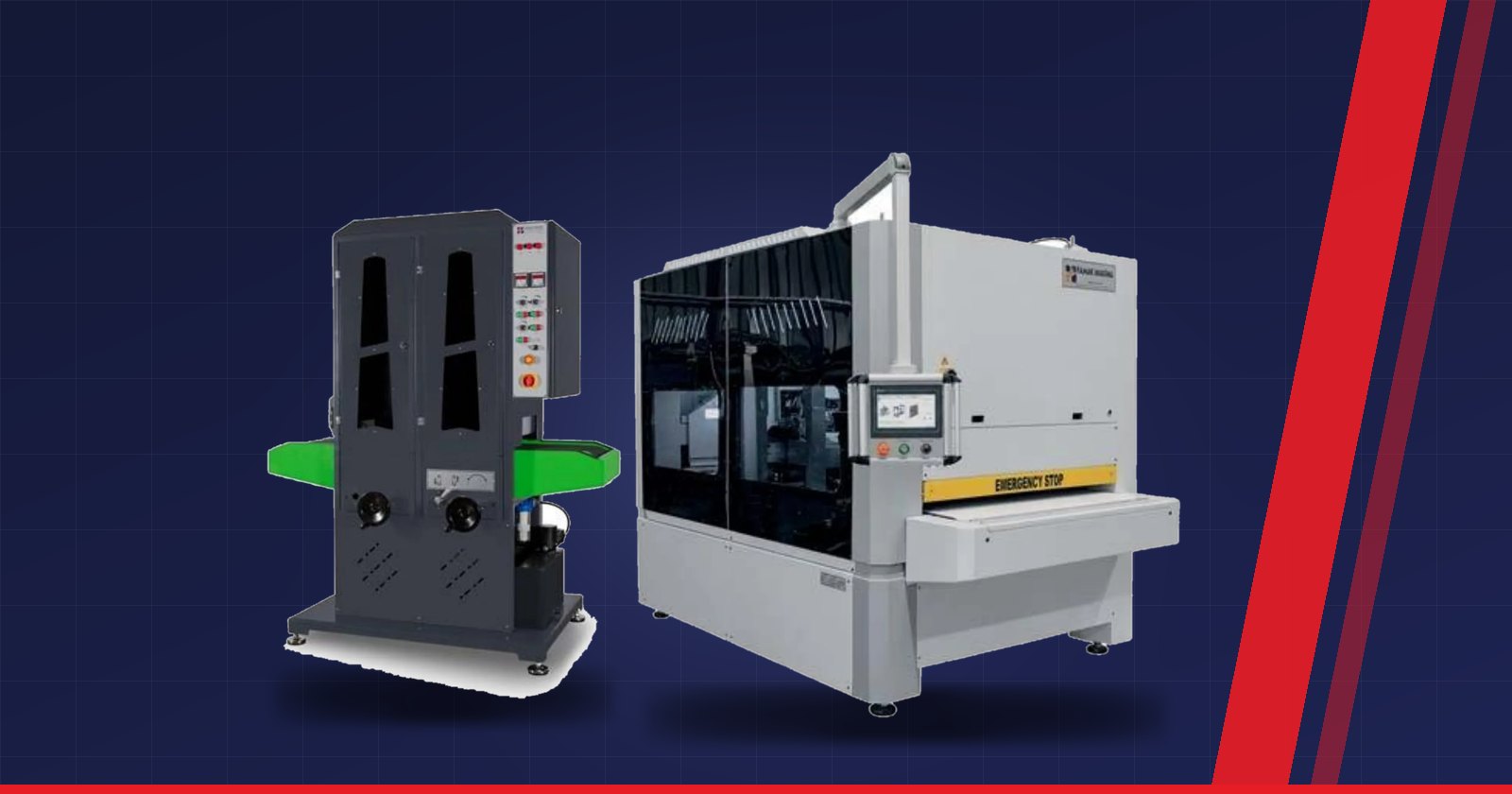
Burrs left after laser cutting, plasma, waterjet or turning harm both product quality and workplace safety. The right deburring machine increases productivity, reduces scrap and supports worker safety. We have compiled 7 criteria to consider when choosing a machine.
1. Type of material
Stainless steel, aluminium, copper and mild steel behave differently under abrasion. For stainless steel, machines with inverter speed control are recommended to keep heat under control. Grit is also chosen by material: finer for soft alloys, coarser for steel.
2. Part size and working width
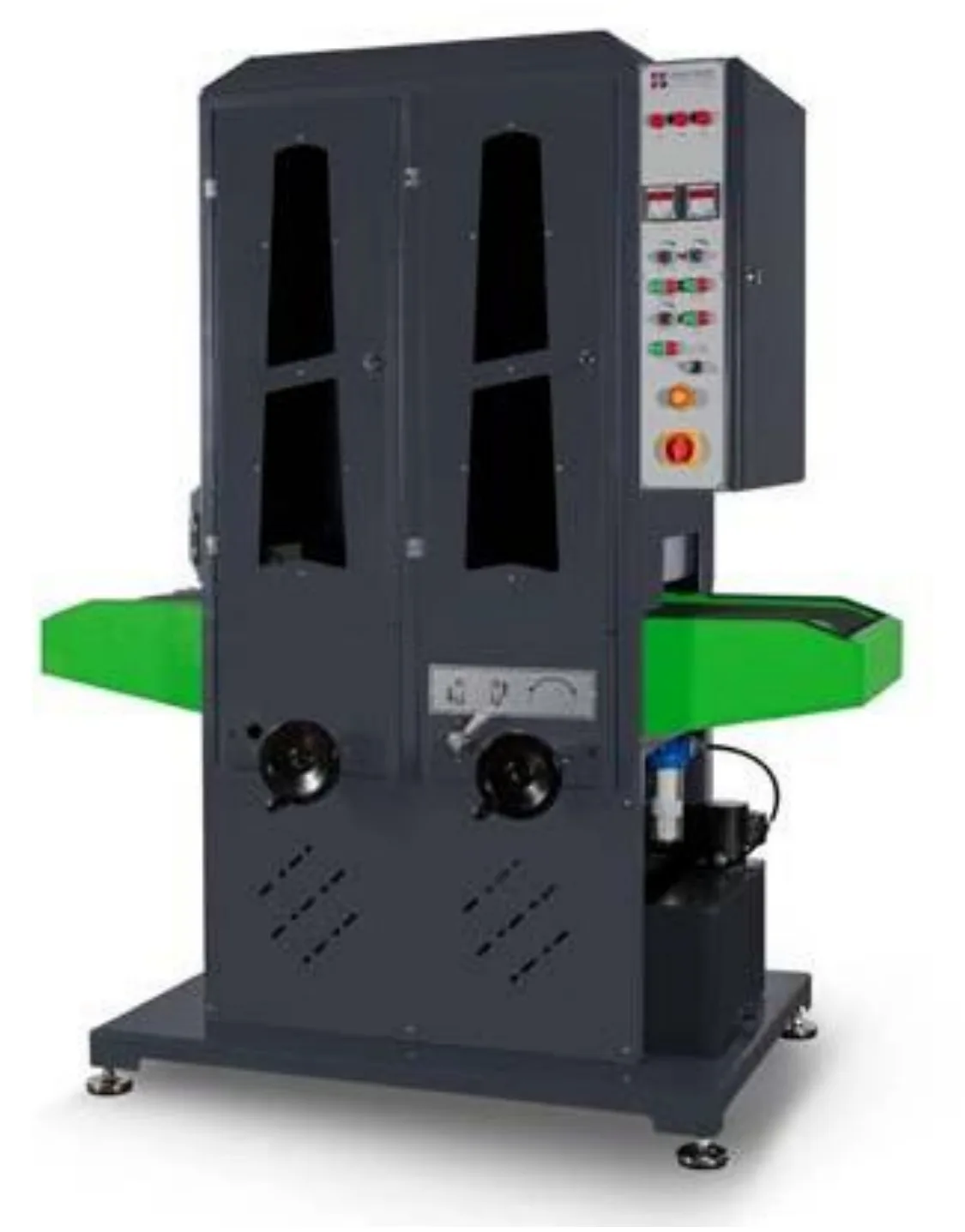
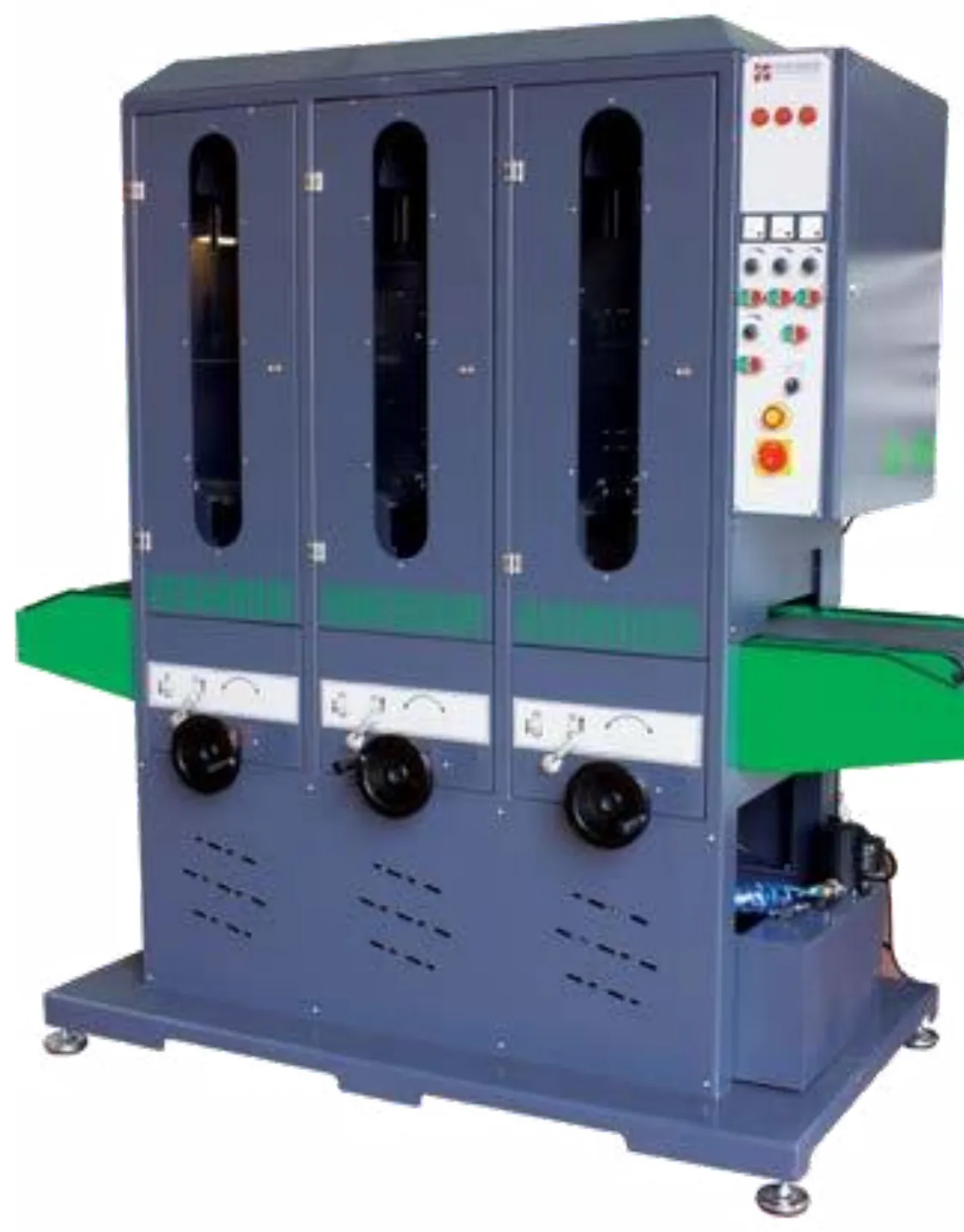
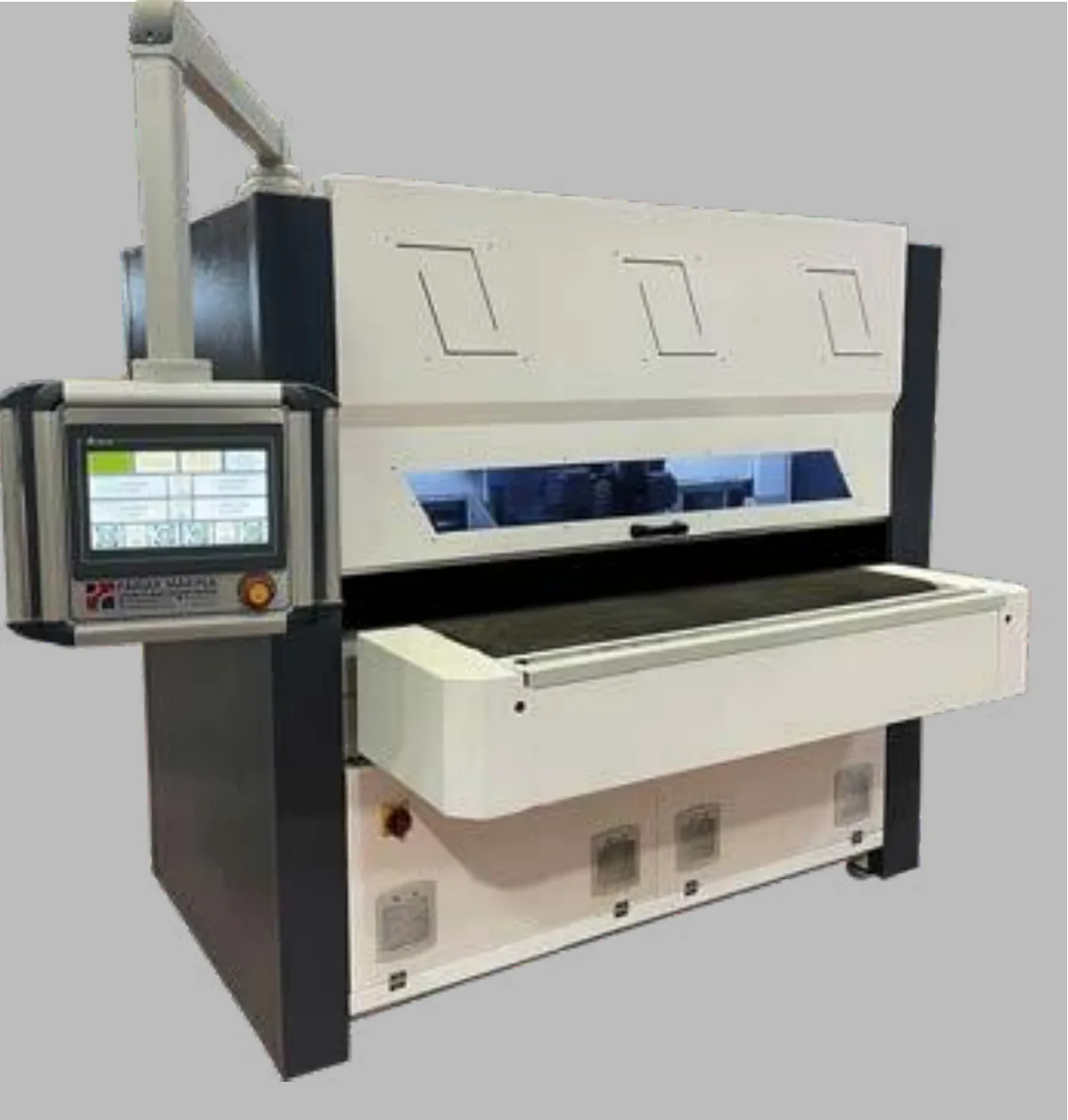
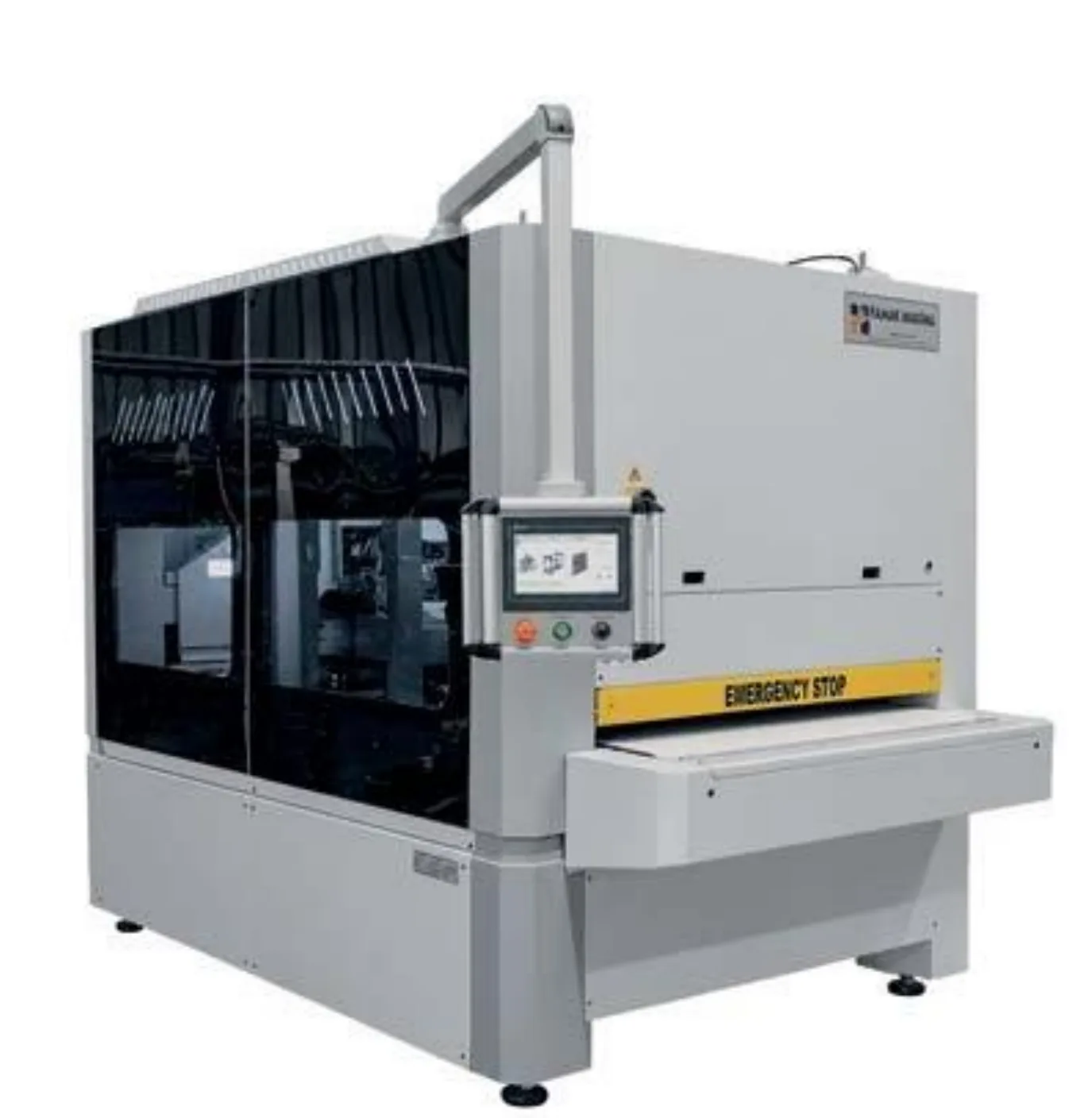
The machine should be chosen according to the largest width of the parts to be processed. Famak offers 300 mm (DYZ 300 series), 650, 1100 and 1350 mm (RR series, 1350 4F, 1350 R.D.D.W.) and 1600 mm (1600 R.R.R.S.). For small and medium parts, the 300 mm models are the most cost-effective option.
3. Production volume
For production below roughly 50 parts a day, manually fed or table-type machines (e.g. T-Grinder) may be sufficient. At high volumes, automatic conveyor systems reduce staffing needs and provide a cost advantage.
4. Single unit or multiple units?
A single unit may be enough for deburring alone. If edge rounding or satin finishing is also needed, multi-unit machines combining sanding and brush/disc units are preferable. The Famak RR series works with two drums, and the 1350 R.D.D.W. combines sanding and edge rounding in a single pass.
5. Wet or dry operation
Metals that produce combustible dust, such as aluminium and titanium, require a wet system because of the fire risk. For stainless steel and ferrous metals, a dry system with dust extraction is preferred. The DYZ 300 series runs wet with a water pump.
6. Need for edge rounding
Sharp edges are not accepted in automotive and similar industries; edges must be rounded for paint to adhere at the corners. The DYZ 300 R.D. and 1350 R.D.D.W. do surface sanding and edge rounding in a single pass.
7. Service and spare parts
A machine is only as good as its service. Famak has been building machines since 1974 and provides spare parts and technical service for all of its products.
Quick selection table
Frequently asked questions
What is the most important criterion when buying a deburring machine?
The material to be processed and the largest part width. These two determine the machine type and working width.
Which machine suits a small workshop?
For small and medium parts, the 300 mm DYZ 300 series or the table-type T-Grinder are cost-effective options.
Is a wet system necessary for aluminium?
Yes. Aluminium and titanium dust is combustible, so a wet system is required because of the fire risk.
Quote
Let's find the right machine for your job together
Share your material, part dimensions and production quantity, and our technical team will get back to you with the most suitable configuration.
By submitting this form you acknowledge that your personal data will be processed in accordance with our Privacy Notice.