
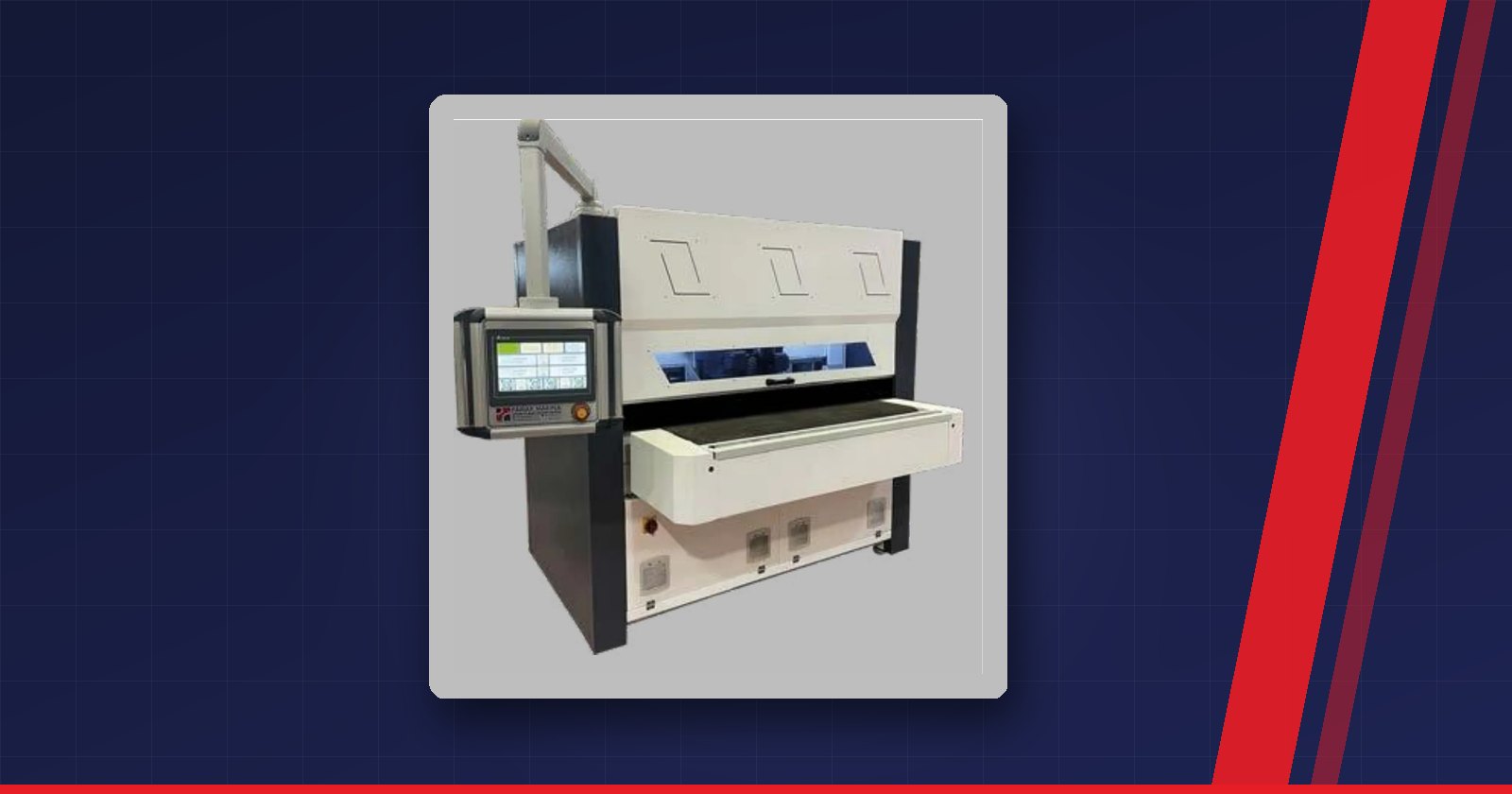
Fibre laser cutting is precise and fast, but it leaves micro-burrs, an oxide layer and hardened zones on the cut edge. These problems become more pronounced on sheets of 2 mm and thicker and on stainless steel. A burr-free surface is essential for weld quality, paint adhesion and the final appearance of the product.
Method 1: Manual grinding
Suitable for small production runs. Drawbacks: surface quality varies with the operator and labour costs are high.
Method 2: Vibratory deburring
Ideal for small parts with complex geometry. Not suitable for flat surfaces and edge rounding.
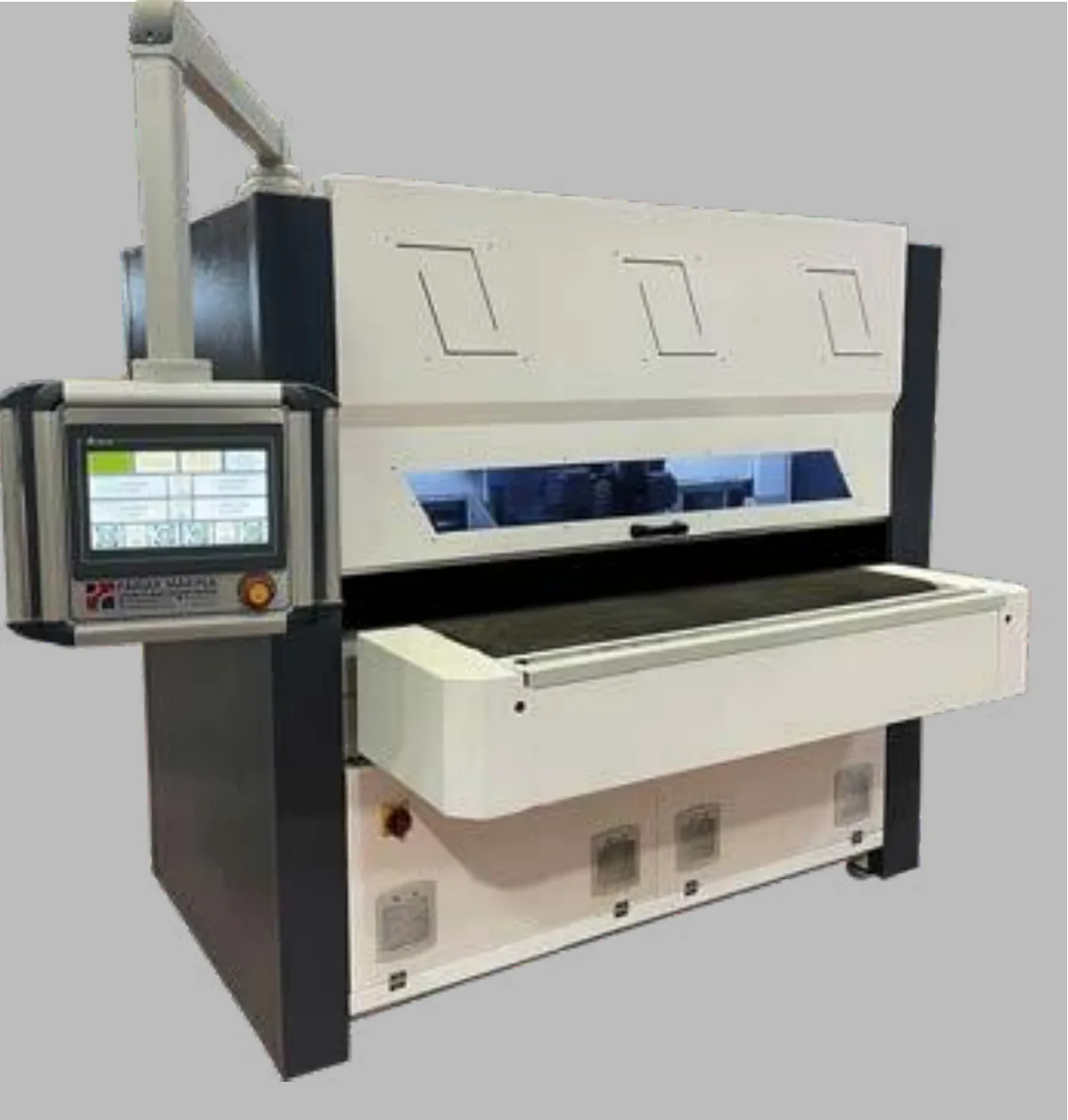
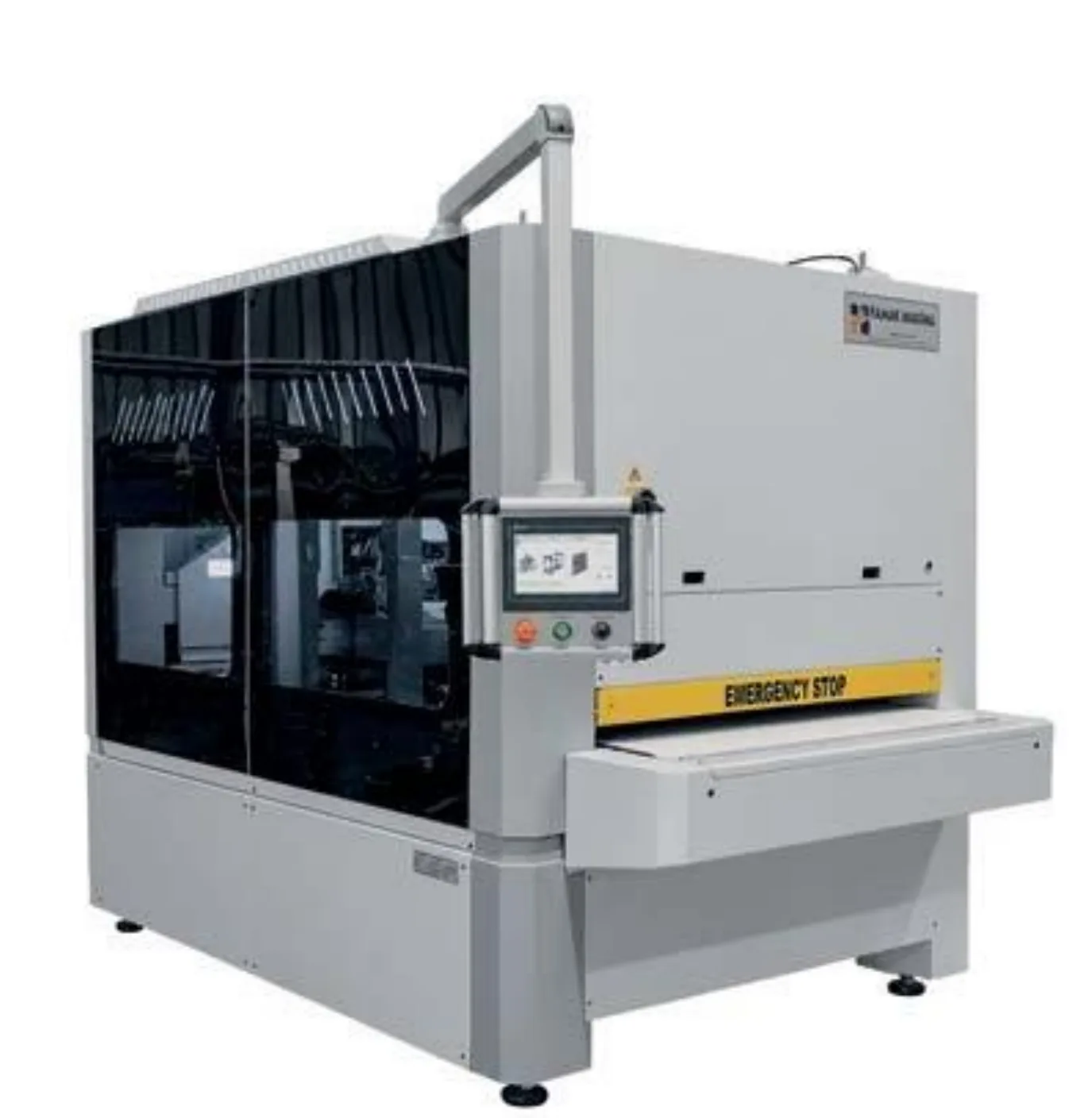
Method 3: Belt sanding machine (recommended)
The most efficient option for flat sheets. Conveyor-fed automatic systems run at around 3–8 metres per minute.
Conclusion
Adding an automatic deburring system to a laser cutting line lowers labour costs and standardises quality. Contact our technical team to determine the right model for your parts together.
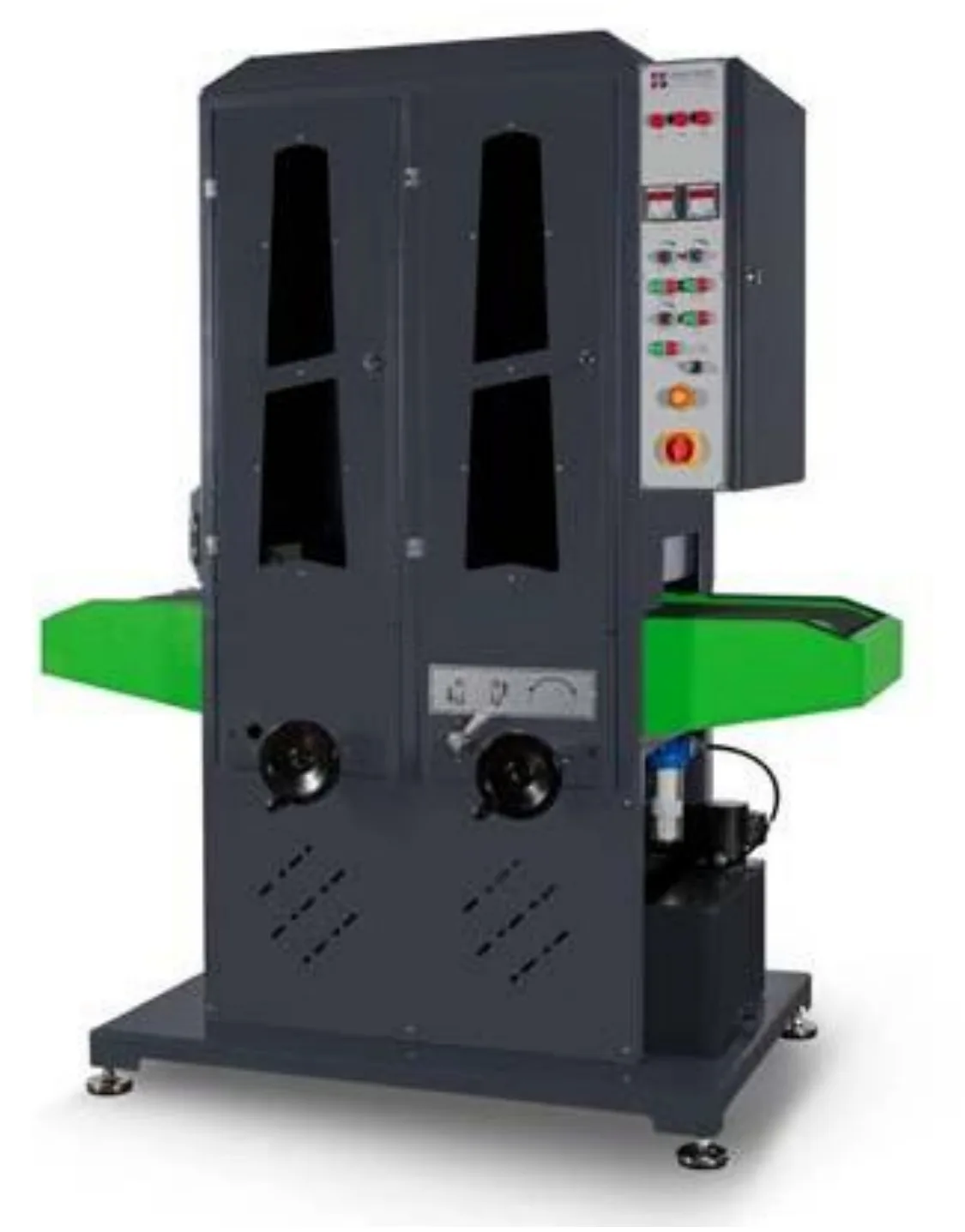
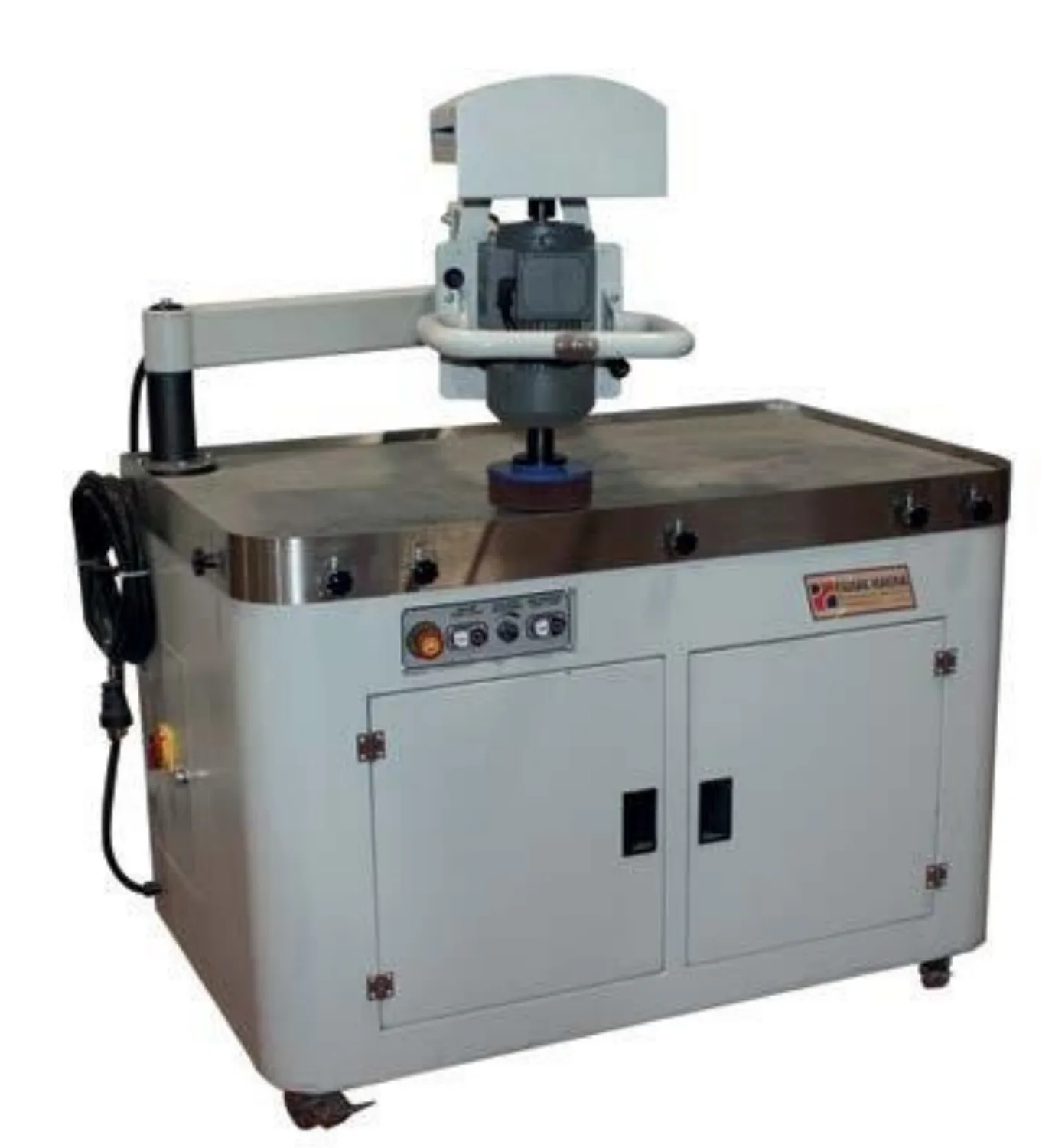
Which model is right for you?
Frequently asked questions
Why does laser cutting leave burrs?
The laser cannot fully remove all of the molten material at the cut edge, which creates micro-burrs, an oxide layer and hardened zones. The effect is more pronounced on sheets over 2 mm and on stainless steel.
What is the most efficient deburring method after laser cutting?
For flat sheets, a conveyor-fed belt sanding machine is the most efficient method; it deburrs and rounds edges in a single pass.
How fast does an automatic deburring machine run?
Conveyor-fed systems run at around 3–8 metres per minute.
Quote
Let's find the right machine for your job together
Share your material, part dimensions and production quantity, and our technical team will get back to you with the most suitable configuration.
By submitting this form you acknowledge that your personal data will be processed in accordance with our Privacy Notice.